

Why Do Old Comics Have Dots? The Story Behind the Ben-Day Printing Process
Why Do Old Comics Have Dots? The Story Behind the Ben-Day Printing Process
Old comics have a charm that's hard to miss—those tiny dots scattered across the pages give them a unique look. This pattern comes from the Ben-Day printing technique, a clever trick from comic book history that shaped vintage comics' style. Stick around to see how this old-school method worked and why preserving these dotty classics matters for your collection. Learn more about the Ben-Day process here.
The Magic of Ben-Day Printing
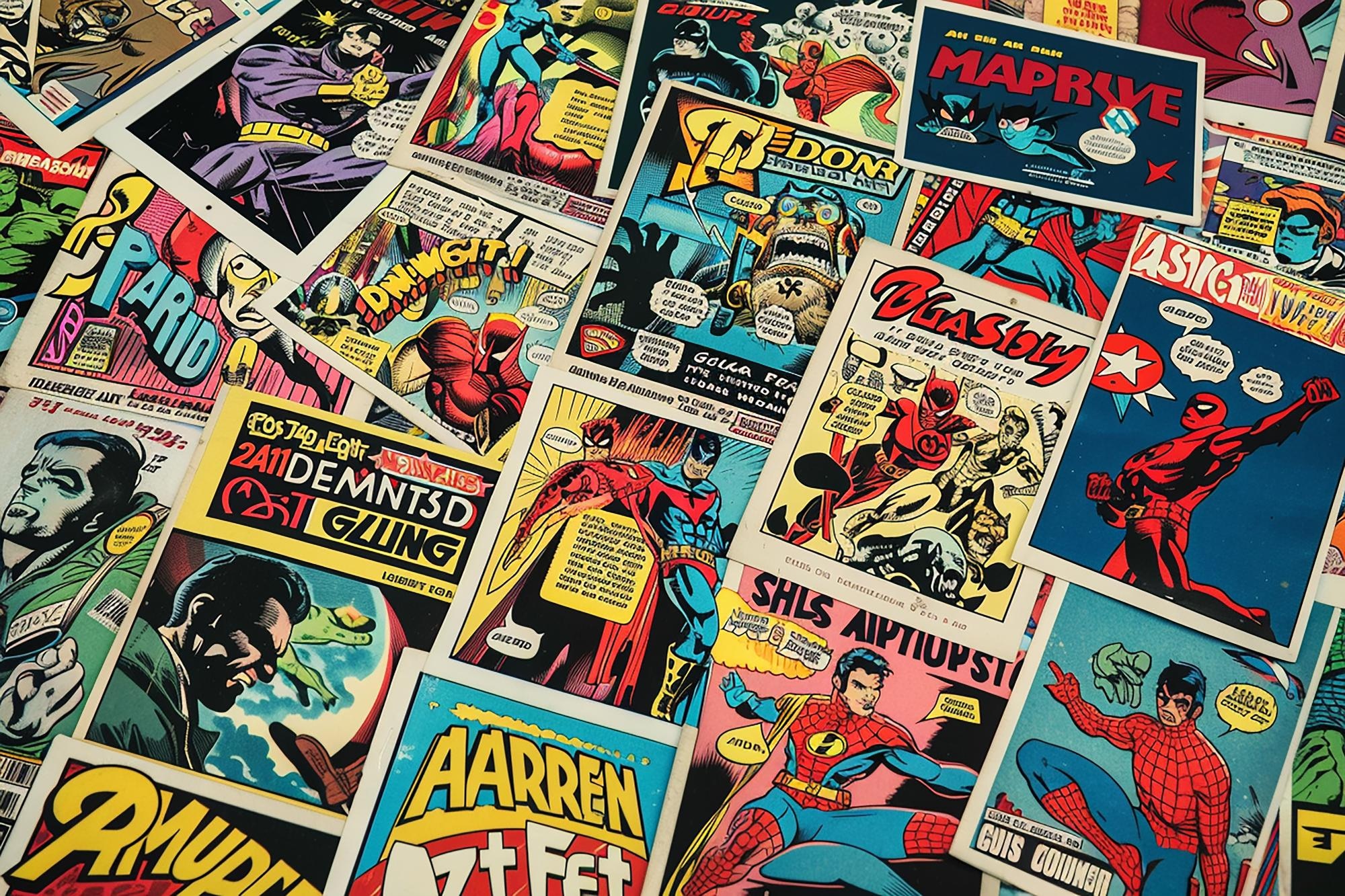
Before comic books became vibrant pages of action, they were just black and white. The Ben-Day process changed that, bringing colors to life without breaking the bank. This method made comics colorful and affordable.
Origins of the Ben-Day Process
The story begins in 1879 when Benjamin Day invented this printing technique. It used small dots to create shades of color. By layering these dots, printers could produce various colors. This method was perfect for comic books, which needed bright colors to capture readers' attention. It was more cost-effective than other methods, making it ideal for mass production. Discover how artists adapted this technique here.
Crafting Iconic Comic Book Dots
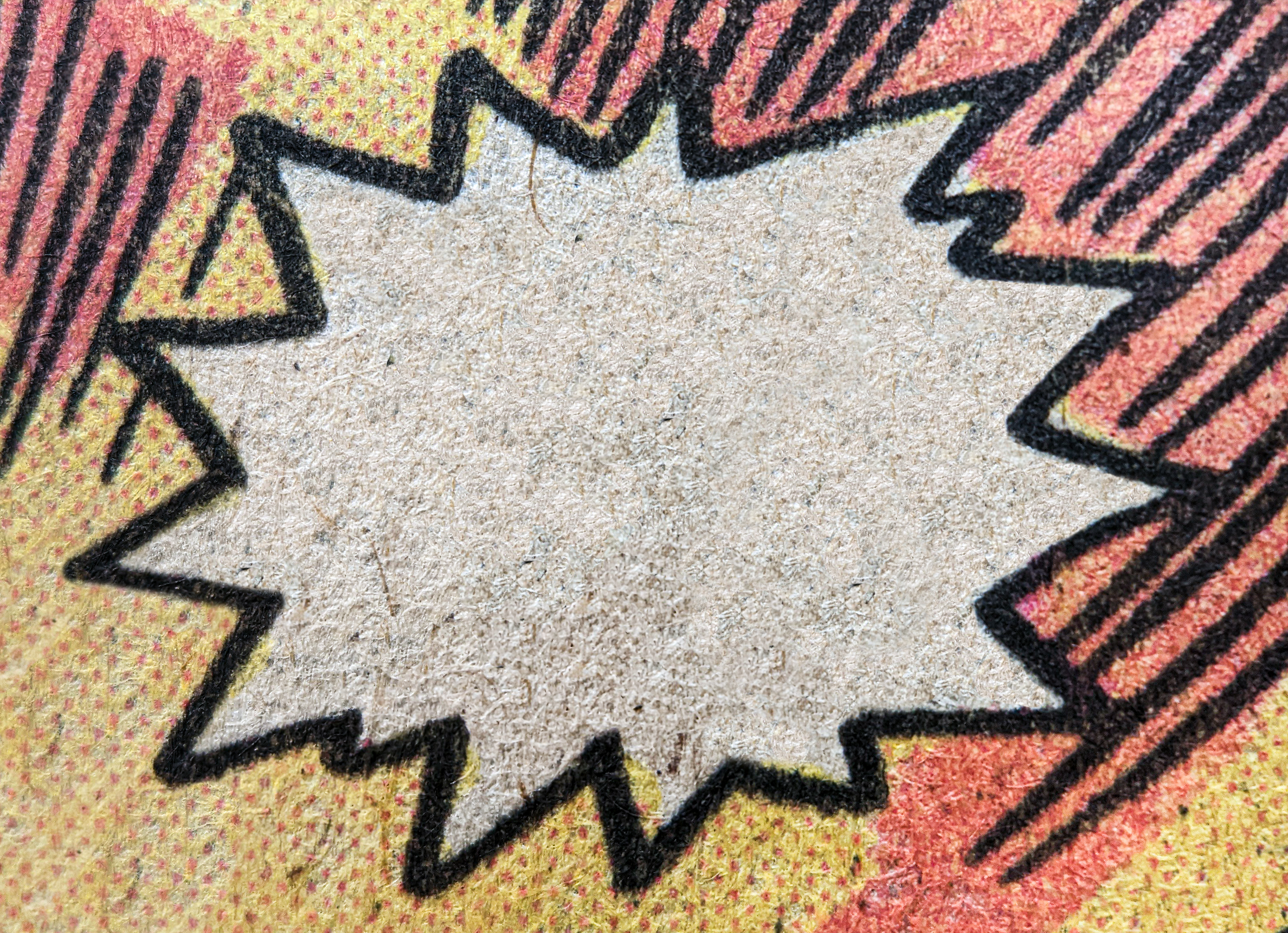
Have you ever wondered why old comics have that distinct dotty texture? It's all about layering. Printers used different sizes and patterns of dots to create depth. For example, a mix of red and yellow dots created orange hues. This clever trick allowed comics to have a wide range of colors with limited resources. These dots aren't just random; they're a carefully crafted art form. Explore more about the artistic side of Ben-Day dots.
Comic Book History Through Dots

These dots aren't just for style; they tell a story of comic book evolution. From the early days of publishing to the rise of superheroes, the Ben-Day technique has been there, marking every page with its colorful presence.
Vintage Comics: A Colorful Past
In the early 20th century, comic books exploded in popularity. The Ben-Day printing process was a game changer. It brought characters like Superman and Batman to life in bright, vivid colors. Before this, comics were mostly black and white, but the introduction of these dots made them visually stunning. Readers could now enjoy a full-color experience, and this helped comics become a major cultural phenomenon. Delve into the history of comic book printing.
Understanding the Printing Technique
Understanding the Ben-Day process helps us appreciate the craftsmanship behind vintage comics. Printers used screens with different dot patterns to layer colors. By overlapping dots of primary colors, they achieved secondary colors. This process required precision and creativity. Today's printing technology is more advanced, but there's something magical about the old-school method. It's a reminder of the innovation that paved the way for modern comics. Read more about the evolution of Ben-Day dots.
Preserving and Grading Vintage Comics
Preserving these colorful treasures is crucial. With the right care, you can keep your collection in top condition and even increase its value over time.
Expert Comic Preservation Tips
Preservation starts with proper storage. Keep your comics in a cool, dry place away from direct sunlight. Use acid-free bags and boards to protect them from dust and moisture. Remember, handling comics with clean hands or gloves prevents oils from damaging pages. Most collectors think storing comics in a box is enough, but environment control is key. Regular checks ensure that your collection stays pristine. By maintaining your comics, you preserve a piece of history.
Comic Grading Services Explained 📚✨
Grading services provide an expert assessment of your comics' condition. They evaluate factors like cover quality, page condition, and overall wear. Grading scales typically range from 0.5 to 10, with higher scores indicating better condition. A well-graded comic can significantly increase in value, making it a worthwhile investment. Many collectors use grading to authenticate their comics, giving them peace of mind about their value. The longer you wait, the more likely your comics will degrade. So, consider grading to protect and enhance your collection's worth.
Preserving and understanding the history behind these dots not only keeps the art alive but also connects us to the vibrant past of comic books. Whether you're a seasoned collector or just starting, embracing the legacy of the Ben-Day process can enrich your comic journey.
Leave a comment