

How to Sell Your Comic Collection: Prep, Options, and Real-World Tradeoffs
How to Sell Your Comic Collection: Prep, Options, and Real-World Tradeoffs
Selling your comic collection can feel like sorting through decades of stories and memories. Knowing how to prepare your books, understanding the tradeoffs between selling to a private collector or a shop, and deciding whether to part out your comics or sell them as a whole can make all the difference. This guide breaks down what to expect and how to get the most from your collection, with tips on honest grading, cleaning/pressing, and support for CGC submissions. For more insights, check out this discussion.
Preparing Your Comic Collection
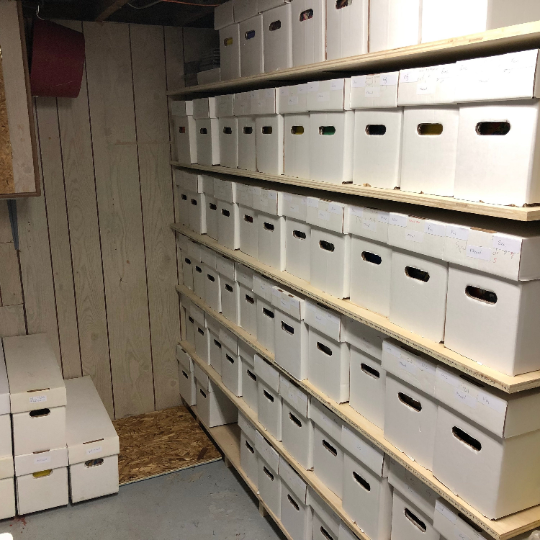
Getting your comic collection ready for sale involves some key steps. It’s not just about packing them up; it's about making them attractive to buyers. Let's dive into how you can organize, grade, and clean your comics to get the best value.
Organizing and Documenting Books
Start by sorting your comics. Group them by series, issue number, and publisher. This makes it easier for potential buyers to see what you have. Use a simple spreadsheet or inventory app to list titles, issue numbers, and conditions. This documentation serves as your inventory checklist and helps in comic collection appraisal.
Organizing your collection isn't just about neatness. It's your pitch to the buyer. A well-documented collection tells buyers you're serious and have taken care of your comics. This can lead to better offers and smoother transactions.
Basic Grading Tips for Sellers
Grading your comics accurately is crucial. Potential buyers will want to know the condition of each book. Start with a visual check: look for creases, tears, or discoloration. Use the classic grading scale from Near Mint to Poor. Simple grading tips can be a game-changer in how to sell comics effectively.
While you might not be a professional, honest grading builds trust with buyers. If you’re uncertain about a comic’s grade, consider getting a professional opinion. This can be especially useful for key issues or rare books.
Cleaning and Pressing Comics
Cleaning and pressing can enhance a comic's appearance and value. Carefully remove dust and dirt with a soft brush or cloth. For pressing, consider professional services unless you're experienced. This step can significantly impact your comic book grading basics.
Remember, not all comics need pressing. Focus on those with visible wrinkles or bends. When done right, cleaning and pressing can make your collection more appealing without altering the original artwork or structure.
Selling Options: Private Collector vs. Shop
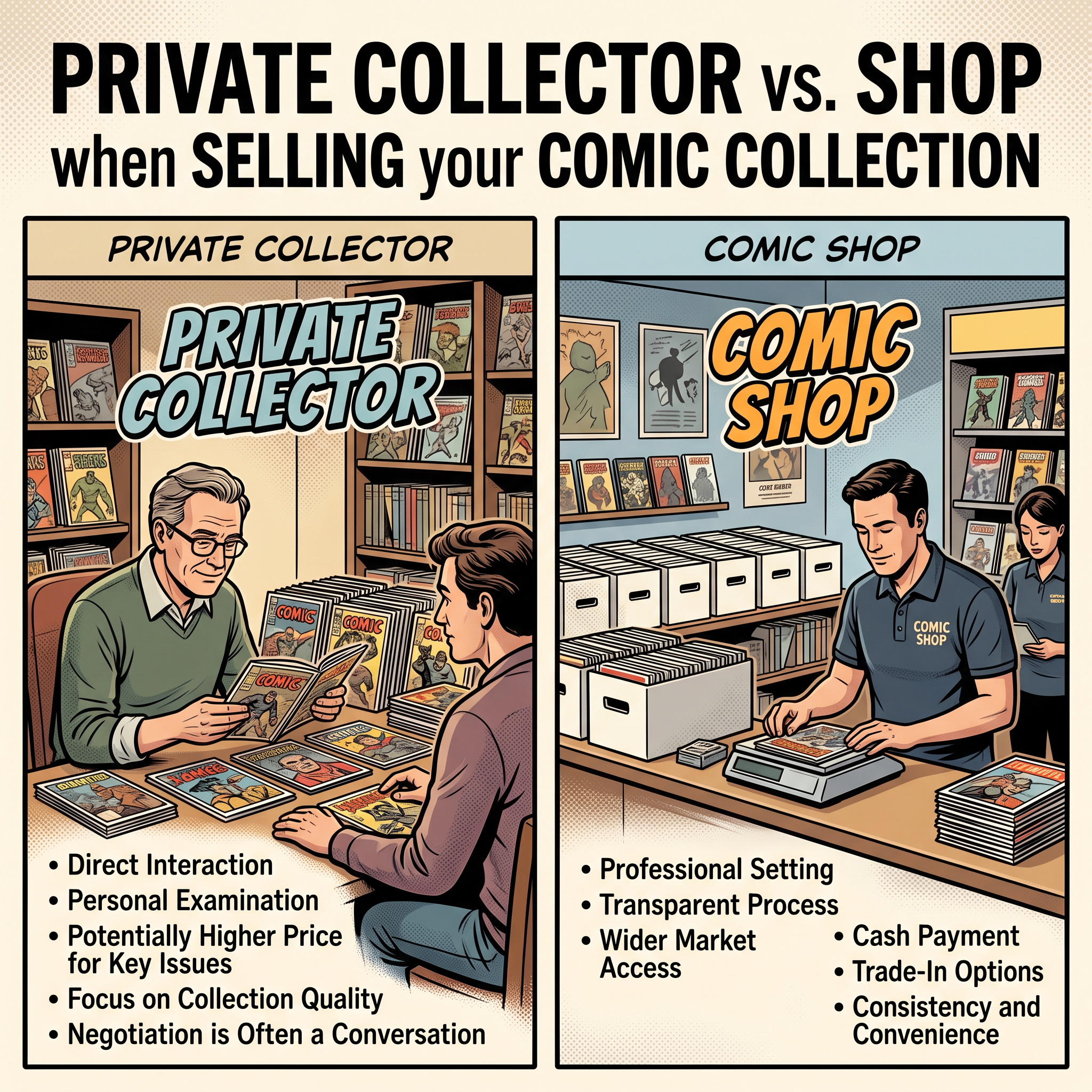
Once your collection is ready, the next step is choosing where to sell. Do you go with a shop or a private collector? Each path has its perks and pitfalls.
Pros and Cons of Selling to a Shop
Selling to a comic shop can be quick and convenient. Shops offer a straightforward process, often with cash offers. Plus, they handle the marketing and selling, saving you time. But remember, shops need to make a profit, so offers may be lower than what you could get from a private sale.
Shops are great if you want to sell your collection as a whole. They have the infrastructure to move large volumes. However, if you're after maximum value, a private collector might be a better fit.
Benefits of Selling to a Private Collector
Private collectors can often pay more per book because they're buying for personal enjoyment, not resale. This can mean higher individual offers, especially for unique pieces. Building a rapport with collectors can also lead to future sales opportunities.
Selling to collectors directly is more personal and can be rewarding. However, it requires more effort in terms of negotiation and presentation. It’s about finding the right balance for your priorities.
Evaluating Offers and Fair Pricing
Understanding fair pricing is vital. Use a comic pricing guide to compare offers. Look at recent sales of similar comics to set realistic expectations. Ensure offers reflect both the historical value and current market demand.
Don’t rush into the first offer. Evaluating multiple offers helps ensure you get a fair price. Remember, an informed seller is a confident seller. Take your time to analyze what the market is willing to pay.
Deciding Between Selling as a Lot or Individually
Should you sell your collection in bulk or piece by piece? This decision impacts how you prepare and market your comics.
Selling Comics as a Full Lot
Selling as a full lot is efficient. It’s fast and requires less individual negotiation. This option is great if you’re moving a large collection quickly, but it may mean accepting a lower price per book.
Lot sales appeal to shops and collectors looking for bulk buys. Consider this route if you value speed and simplicity over maximizing individual issue value.
Selling Comics Individually or in Small Lots
Selling individually can fetch higher prices. You have the chance to set prices based on each comic's unique value. However, it takes more time and effort. You'll need to manage listings, negotiate with multiple buyers, and handle more transactions.
This approach is ideal for valuable or rare issues where collectors are willing to pay a premium. It’s about trading time for potentially higher returns.
Comic Consignment Alternatives
Consignment allows you to place your comics with a dealer, who sells them for a percentage of the proceeds. This option combines the reach of a shop with the personalized attention of a collector sale. It’s a balance between effort and potential profit.
Consider consignment if you want professional help marketing your collection without selling outright. It offers a middle ground, leveraging dealer expertise while aiming for higher individual prices.
Frequently Asked Questions
What are the benefits of organizing my comic collection before selling?
Organizing helps present your collection clearly, making it easier for buyers to see what you have. It also speeds up the selling process and may lead to better offers.
How important is it to grade my comics before selling?
Grading is crucial as it affects the value. Accurate grading builds trust with buyers and ensures you receive fair offers based on the condition of your comics.
Should I clean and press my comics before selling them?
Cleaning and pressing can improve a comic's appearance and value. It's best for comics with visible wrinkles or dirt. Use professional services unless you're experienced to avoid damage.
Is it better to sell my comics as a lot or individually?
Selling as a lot is quicker and less work, but may yield lower prices per comic. Selling individually can bring higher prices but requires more time and effort.
What should I consider when choosing between selling to a shop or a private collector?
Shops offer convenience and speed, while private collectors might pay more for individual comics. Consider your priorities: quick sale or maximum value.
By preparing your comic collection well and understanding your selling options, you can navigate the marketplace confidently. Whether you choose to sell to a shop or a collector, or decide to sell as a lot or individually, knowing what to expect will help you make the best choice.
Loading extension...
Laisser un commentaire